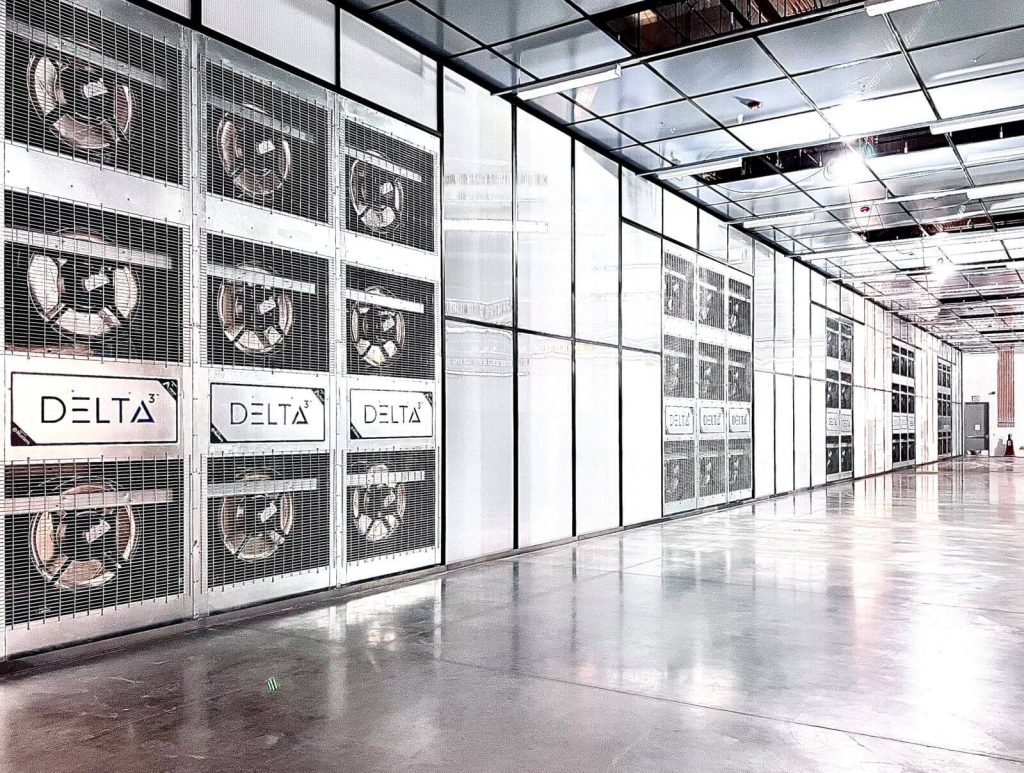
Data Center Liquid Cooling for AI and HPC Workloads
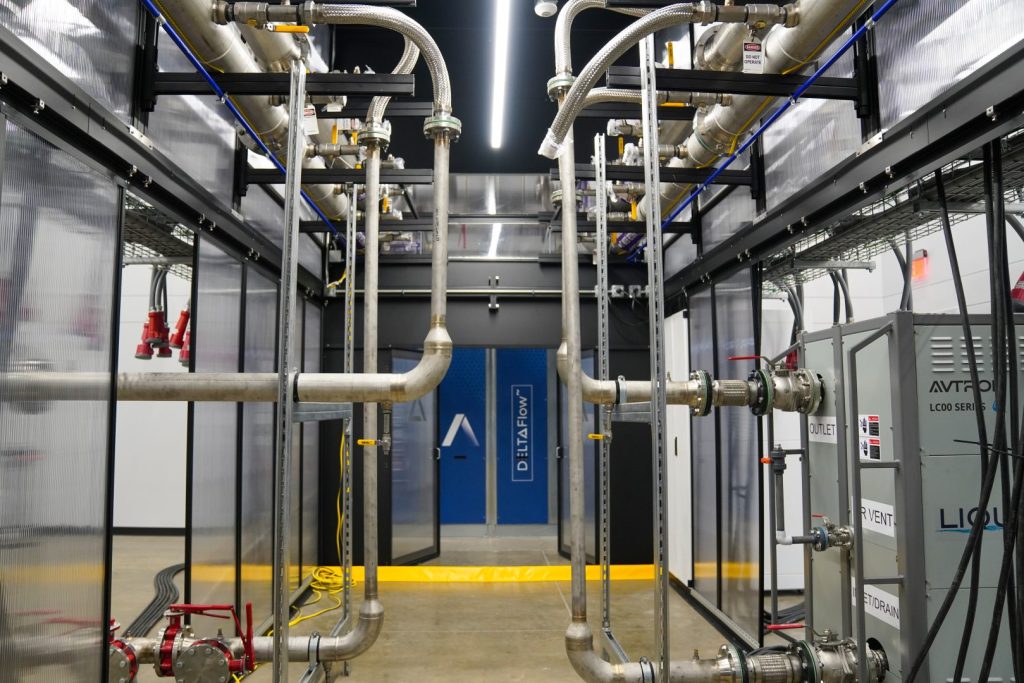
The rise of high-performance computing (HPC) and artificial intelligence (AI) is pushing data centers beyond the limits of traditional air-cooled designs. Increasing density, higher power requirements, and growing heat loads are accelerating the need for more efficient solutions.
In this white paper, we explore why data center liquid cooling is becoming essential, how different approaches work in practice, and what it takes to support next-generation AI infrastructure.
In this white paper, we examine the limitations of air-cooled systems, why liquid cooling has become indispensable, how various methods work in practice, and why Aligned Data Centers stands at the vanguard of this transformative shift in technology.
Looking to better understand data center liquid cooling and how it supports AI workloads? Download the full white paper for a deeper look at system design, performance, and real-world application.
Access the White PaperExplore more on data center liquid cooling and related innovations:
- Aligned Data Centers Launches DeltaFlow~ Liquid Cooling, Extending Its ExpandOnDemand Capabilities
- Go Dense, Cool Down, and Beat the Heat
- Aligned Debuts Advanced Cooling Lab to Further Accelerate Cooling Technology Innovation for Next-Gen GPUs
Common Questions About Data Center Liquid Cooling
What is data center liquid cooling?
Data center liquid cooling uses fluids to absorb and remove heat from IT equipment more efficiently than traditional air-based systems, enabling higher-density deployments.
Why is liquid cooling important for AI workloads?
AI and HPC workloads generate significantly more heat than traditional computing. Liquid cooling helps manage these thermal loads while maintaining performance and efficiency.
What are the types of data center liquid cooling?
Common methods include direct-to-chip cooling, immersion cooling, and hybrid approaches that combine liquid and air systems depending on workload requirements.