What Is a Data Center? A Simple Guide for Neighbors
When a data center is proposed or built near a community, people naturally have questions. What is it? What happens inside? Why does it need to be there? And how does it connect to daily life?
The short answer is this: a data center is the physical infrastructure behind the digital world. It helps power the websites, apps, cloud services, business systems, communications tools, healthcare platforms, online learning tools, and public services people rely on every day.
What Is a Data Center?
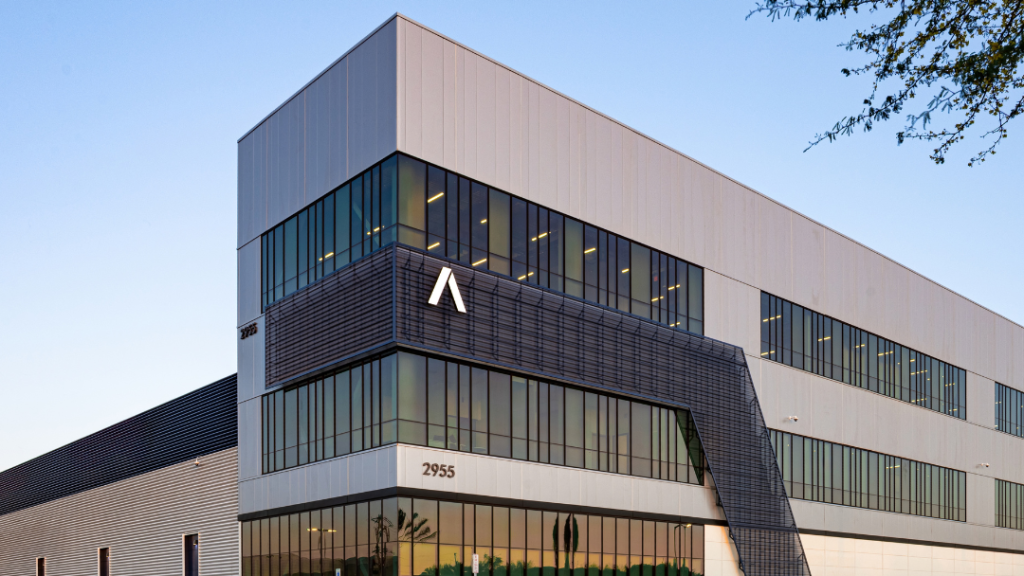
A data center is a specialized building that houses the equipment needed to store, process, and move digital information. It is where the internet lives. When people talk about something being in the cloud, that information still has to live somewhere physical. Data centers are the buildings that make those digital services available whenever people need them.
Inside a data center, rows of computer servers work together with storage systems, networking equipment, power systems, cooling systems, and security controls. The goal is simple: keep critical digital services running reliably, securely, and efficiently.
What Does a Data Center Do?
Data centers support many of the digital tools people use every day. They help power email, websites, banking apps, video calls, cloud storage, healthcare platforms, online learning, business software, public safety systems, streaming services, and AI tools.
Data center infrastructure brings these computing, networking, power, cooling, and backup systems together to keep digital services available.
For residents and local stakeholders, the easiest way to think about a data center is as part of the infrastructure behind modern life. Just as roads, power lines, water systems, and communications networks help communities function, data centers help people, businesses, schools, hospitals, and public agencies stay connected.
How Do Data Centers Work?
Most data centers are designed around three basic needs: computing, connectivity, and continuity. Computing happens on servers, which process information and run digital applications. Connectivity comes from networking equipment that moves information between users, businesses, cloud platforms, and other systems. Continuity means the facility is designed to keep operating even when something unexpected happens.
That is why data centers include backup power systems, batteries, generators for emergencies, cooling systems, monitoring tools, and security measures. These systems are not there to make the building more complicated. They are there to make sure the digital services people rely on remain available.
What Happens Inside a Data Center?
A data center is not a public-facing building like a store, school, or office tower. Most of the activity happens inside secure operational areas. Servers and storage systems process information. Networks move data in and out of the facility. Cooling systems help keep equipment at the right temperature. Power systems help keep the facility running. Security teams and access controls help protect the equipment and the information it supports.
Unlike many traditional industrial uses, a data center does not require constant public access or heavy daily truck traffic once it is operational. Daily activity is typically limited to operations, engineering, security, maintenance, and occasional deliveries.
Why Are Data Centers Important?
Data centers are important because they support the digital services that communities, businesses, and families increasingly depend on. A person may not see a data center in daily life, but they interact with the services it supports constantly: checking email, filling a prescription, making an online payment, joining a video meeting, using a classroom platform, backing up family photos, or accessing work files from home.
Data centers also support the broader economy and community functions. Businesses use cloud-based software to operate. Healthcare providers use digital systems to manage records and care. Schools use online learning platforms. Public agencies use digital tools to communicate and respond. In that sense, data centers are not just large buildings. They are critical digital infrastructure.
How Data Centers Support Everyday Digital Life
The cloud may feel invisible, but it depends on physical data center infrastructure. As more services move online, reliable digital infrastructure becomes increasingly important to businesses, institutions, and communities.
That is why data center demand is growing alongside the way people use technology. More everyday services are digital. More businesses use cloud-based systems. More schools, healthcare providers, public agencies, and local economies depend on reliable digital access. Data centers help support that shift.
Why Communities Are Asking More Questions About Data Centers
As data centers become more visible in local development conversations, communities understandably have questions. People want to know what these buildings do, how they use power and water, whether they create noise or traffic, what kinds of jobs data centers bring, and how they fit into the surrounding area.
Those are fair questions. Clear answers matter because data centers are often misunderstood. A community-friendly conversation should explain what the facility is, why it exists, how it operates, and what steps are taken to reduce potential impacts on neighbors.
Beyond understanding how data centers work, communities also want to know how individual operators manage their local impact.
How Aligned Approaches Community Questions
Aligned designs and operates data centers with a focus on efficiency, reliability, security, and community fit. The company describes its facilities as quiet, low-impact neighbors that support the digital technologies people use every day while helping protect local resources.
For residents, some of the most common questions are about power, water, sound, light, traffic, jobs, and transparency. Aligned addresses these topics directly in its neighbor-facing materials, including information about closed-loop cooling, backup power systems used for emergencies, noise and lighting controls, careful construction planning, local workforce opportunities, and ongoing community communication.
Power and Backup Systems
Data centers are built to be reliable because the services they support need to stay available. Facilities are connected to the local utility grid and include backup systems in case of severe outages. Backup generators are not intended to be a daily power source; they are emergency systems that help the facility operate independently when needed.
This design can also help protect community priorities during a severe outage. Aligned notes that utilities prioritize critical public safety infrastructure and residential neighborhoods, while data centers are designed to be self-sufficient when the grid fails.
A great example of this is Aligned’s Battery Energy Storage System (BESS) in Hillsboro, Oregon. The BESS is designed to maximize energy consumption during off-peak times (when costs are lower and the grid is less stressed), store that energy, and then reduce its reliance on the grid during peak demand, effectively increasing the overall utilization and efficiency of existing grid infrastructure for the benefit of all users.
Water and Cooling
Cooling is one of the most common topics people ask about. At Aligned, the cooling approach is designed to reduce ongoing water use. The company states that it uses closed-loop systems with air-cooled chillers, which recycle deionized water in a sealed environment. Water is needed primarily for the initial fill of the system and limited maintenance, while ongoing water use is generally limited to standard nonindustrial needs such as restrooms and employee amenities.
For a general audience, the key takeaway is that not all data centers cool equipment the same way. Modern approaches can differ significantly from older designs that relied more heavily on evaporative cooling.
Noise, Light, and Daily Traffic
Communities also ask whether data centers will create noise, light pollution, or heavy daily traffic. Aligned states that its facilities use sound barriers, shielded lighting, and low-impact design practices. Data centers must adhere to local noise ordinances, and lighting can be designed with downward-facing, shielded fixtures to reduce spillover.
After construction, operational traffic is generally light compared with many other commercial or industrial uses. Because data centers are secure facilities with no public access, daily traffic is typically limited to operations and security personnel, maintenance teams, and occasional routine deliveries.
Jobs, Skills, and Local Economic Impact
Data centers can create work in several phases. During development and construction, they support skilled trades such as electrical, mechanical, HVAC, pipefitting, and heavy equipment roles. Once operational, they require teams to maintain the physical infrastructure, security, and critical systems around the clock.
They can also support indirect local jobs through landscaping, maintenance, janitorial, waste management, hospitality, food service, and other vendor relationships. Aligned also highlights education and career pathways through partnerships with schools, colleges, vocational programs, and universities.
A Transparent, Plain-English Conversation
The most useful community conversations about data centers are clear, direct, and practical. Residents do not need a technical manual to understand why these facilities matter. They need plain-English answers to familiar questions: What is this building? What does it do? How will it operate? What safeguards are in place? What does it mean for the community?
A data center is a physical part of the digital world. When developed responsibly, it can support reliable digital services while becoming an important part of modern community infrastructure.
Frequently Asked Questions
What are the main systems inside a data center?
Data centers typically include servers, networking equipment, power systems, cooling systems, backup power, monitoring tools, and physical security.
Do data centers operate 24/7?
Yes. Data centers are designed to operate continuously so the digital services they support remain available around the clock.
How are data centers kept cool?
They use cooling systems such as air cooling, chilled water, closed-loop systems, or other thermal-management technologies to remove heat from IT equipment.
Do data centers create local jobs?
Yes. They create construction, engineering, operations, maintenance, security, and skilled-trade jobs, along with indirect opportunities for local vendors.
Are data centers considered critical infrastructure?
They are widely treated as essential digital infrastructure because they support communications, healthcare, finance, government services, cloud platforms, and other critical systems.